Optimal Seasons for Rubber Roofing
Rubber roofing installations are most effective during mild weather conditions. Optimal temperatures range between 45°F and 85°F, allowing materials to adhere properly and ensuring a secure, long-lasting seal. Installing during these periods reduces the risk of issues caused by extreme cold or heat, such as cracking or improper bonding.
Spring and fall offer the most suitable weather for rubber roofing, with moderate temperatures and lower humidity levels that facilitate proper installation.
Significant temperature swings can cause expansion and contraction of roofing materials, potentially leading to seams and joints failing prematurely.
Proper planning involves monitoring weather forecasts to select days with stable, mild conditions, ensuring the best results.
Installing during optimal weather conditions can extend the lifespan of rubber roofing, which typically lasts 20-30 years with proper installation and maintenance.
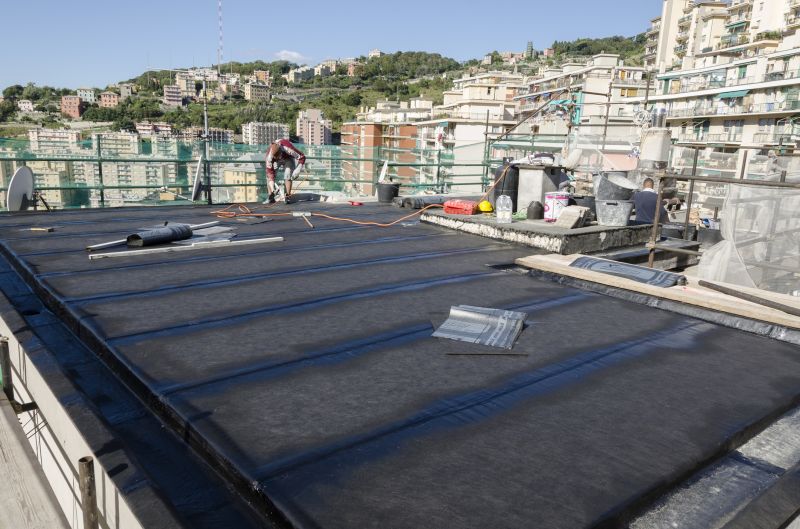
Ways to make Rubber Roofing Installations work in tight or awkward layouts.
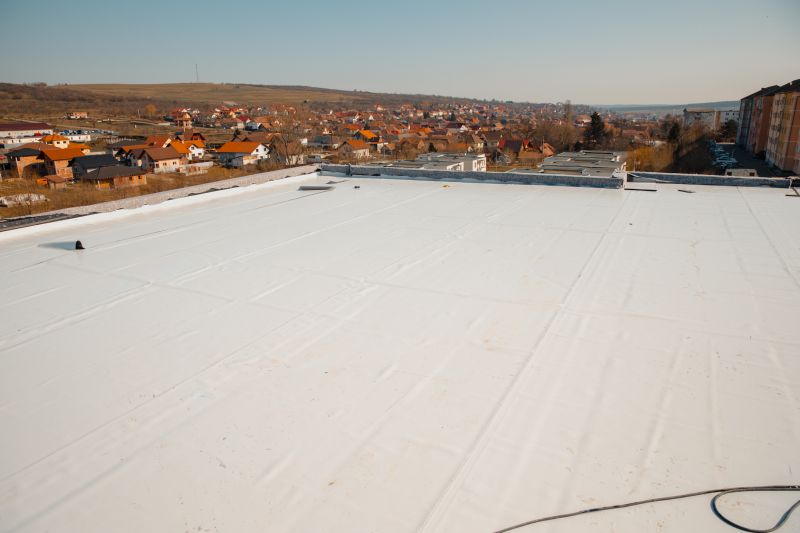
Popular materials for Rubber Roofing Installations and why they hold up over time.
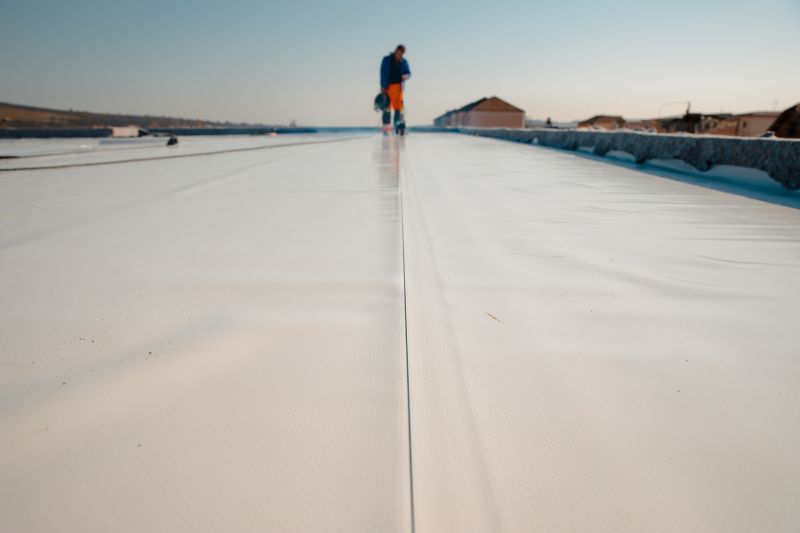
Simple add-ons that improve Rubber Roofing Installations without blowing the budget.
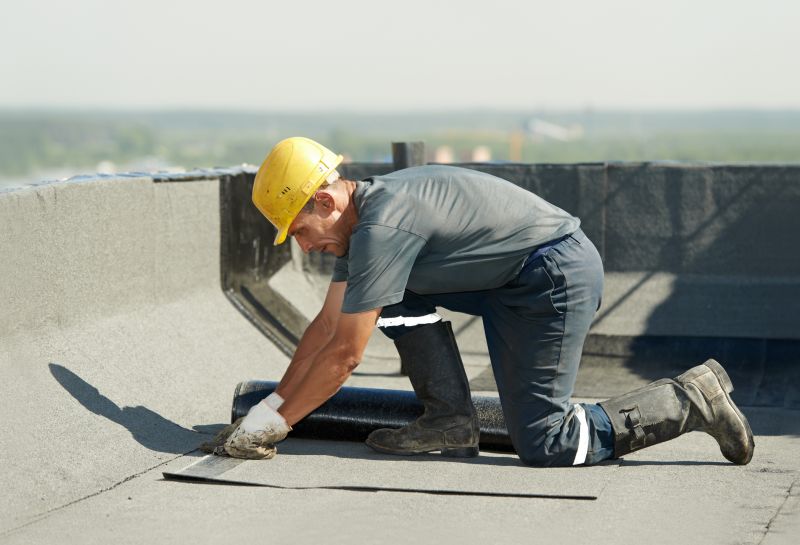
High-end options that actually feel worth it for Rubber Roofing Installations.
| Season | Optimal Conditions |
|---|---|
| Spring | Moderate temperatures, low humidity |
| Fall | Cooler weather, stable temperatures |
| Summer | High temperatures, risk of overheating |
| Winter | Cold temperatures, potential for cracking |
| Rainy days | Not suitable due to adhesion issues |
| Snowy days | Not recommended, can delay installation |
Rubber roofing is a durable and flexible material, often used for flat or low-slope roofs. Its resilience to weather extremes, UV rays, and temperature fluctuations makes it a popular choice for various building types. Proper installation during favorable weather conditions ensures maximum performance and longevity, with many roofs lasting over two decades when maintained properly.
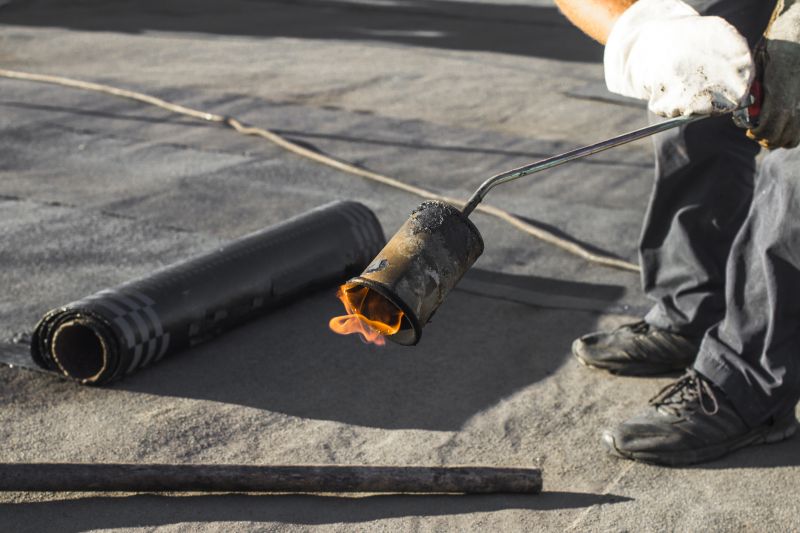
Finishes and colors that play nicely with Rubber Roofing Installations.
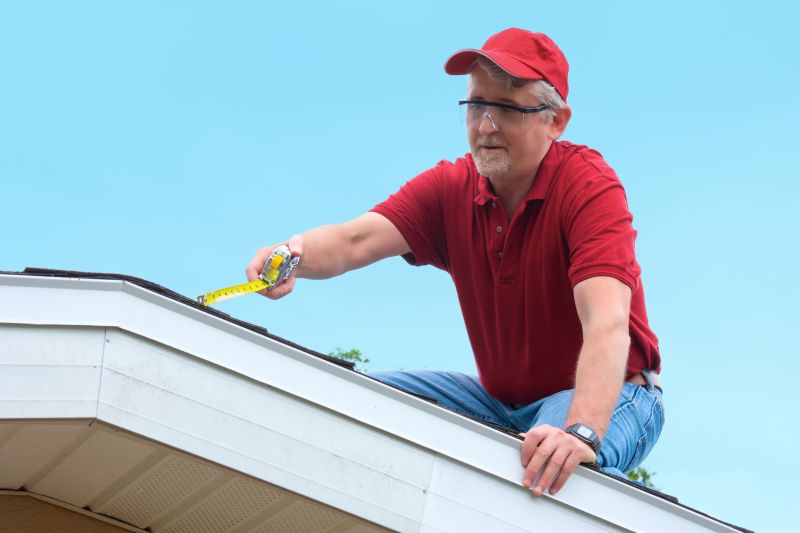
Little measurements that prevent headaches on Rubber Roofing Installations day.
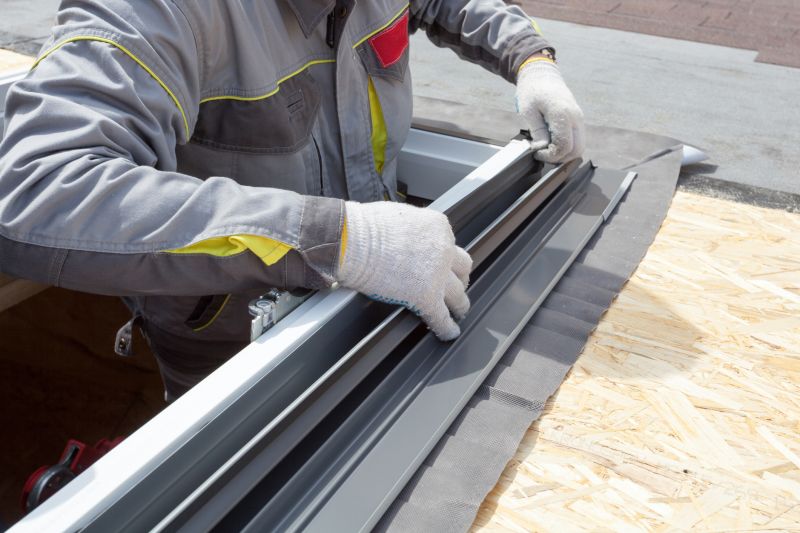
A 60-second routine that keeps Rubber Roofing Installations looking new.
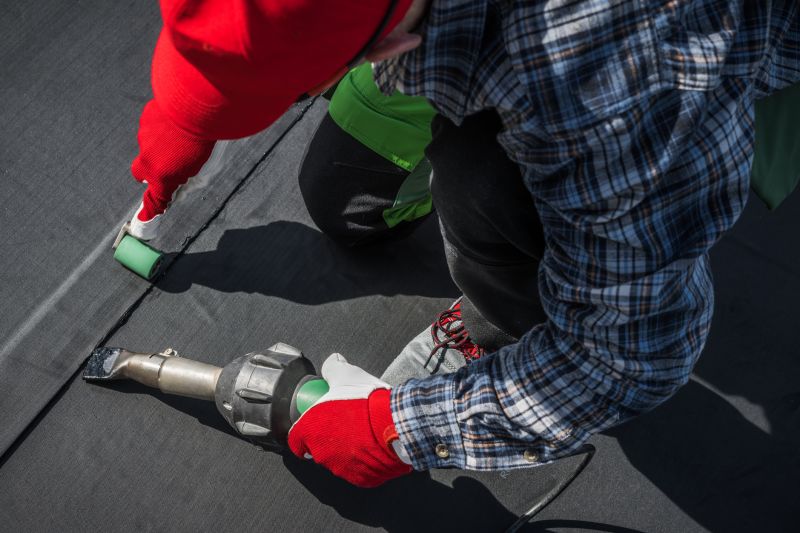
A frequent mistake in Rubber Roofing Installations and how to dodge it.
Interested in rubber roofing installations? Filling out the contact form provides an opportunity to discuss project specifics, schedule assessments, and receive tailored information about the process and benefits of rubber roofing for different structures.